
Hospital operating system
Product
Beys captures the encounter, drafts for sign-off, and keeps the next step in care moving across the facility.
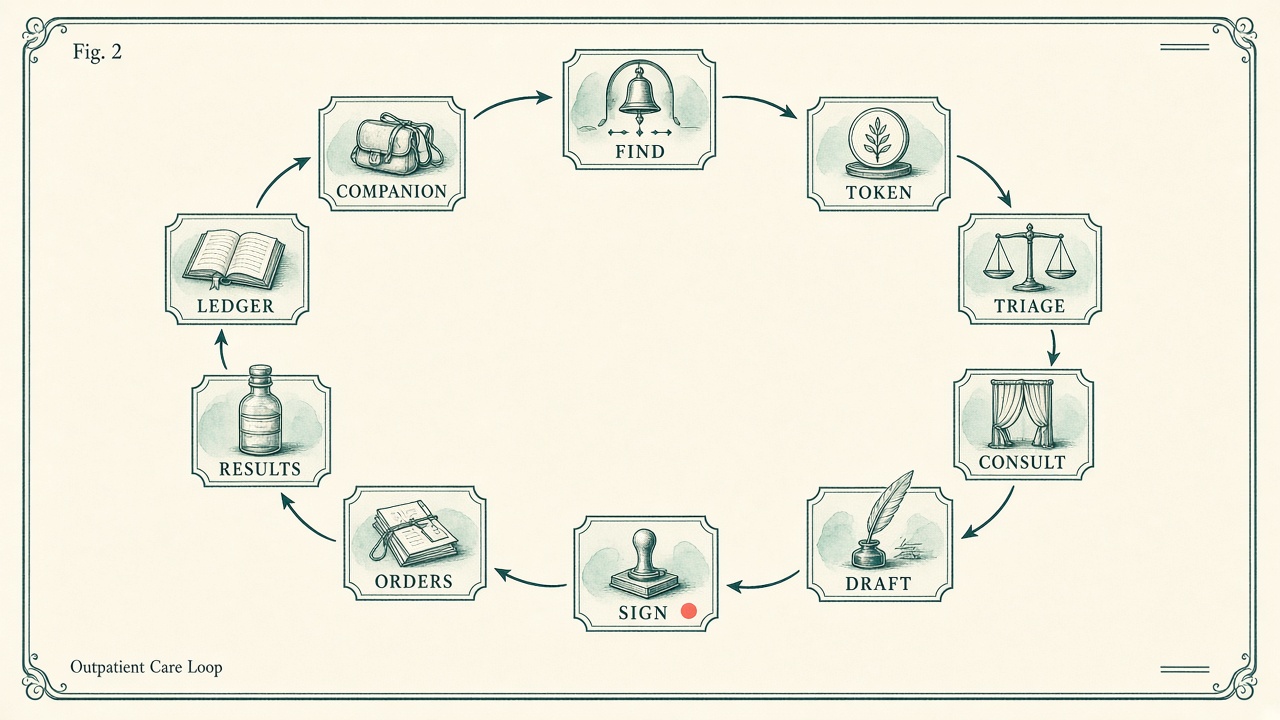
Beys is the connected layer between patient identity, clinical decisions, care delivery, follow-through, and facility operations.
The product bet is simple. Capture of care can be nearly effortless. Nothing important goes unnoticed.
The outpatient loop
A typical outpatient day uses one spine:
- Find or register the patient.
- Issue a walk-in token or keep an appointment.
- Take triage vitals.
- Consult. The practitioner talks to the patient.
- The system drafts the note, codes, plan, and safety checks.
- The practitioner edits and signs.
- Orders leave. Results return to the chart.
- Charges accrue from signed events.
- The patient companion shows the summary, medicines, and follow-up.
Walk-in tokens are a peer of appointments. This matches high-volume clinics.
Five work modes
Staff work is not a single linear form. Beys groups work into five modes.
Today. A role-aware action desk. The next step is visible.
Patient care. Identity, registry, chart, and patient context.
Care delivery. Queue, encounter, orders, medications, laboratory, imaging, and pharmacy.
Follow through. Inbox, tasks, referrals, prevention, and home readings.
Run the facility. Billing, documents, insights, quality, and administration.
The patient record remains the connective tissue. Operational pages expose provenance, ownership, status, and the next available action.
Capture and sign
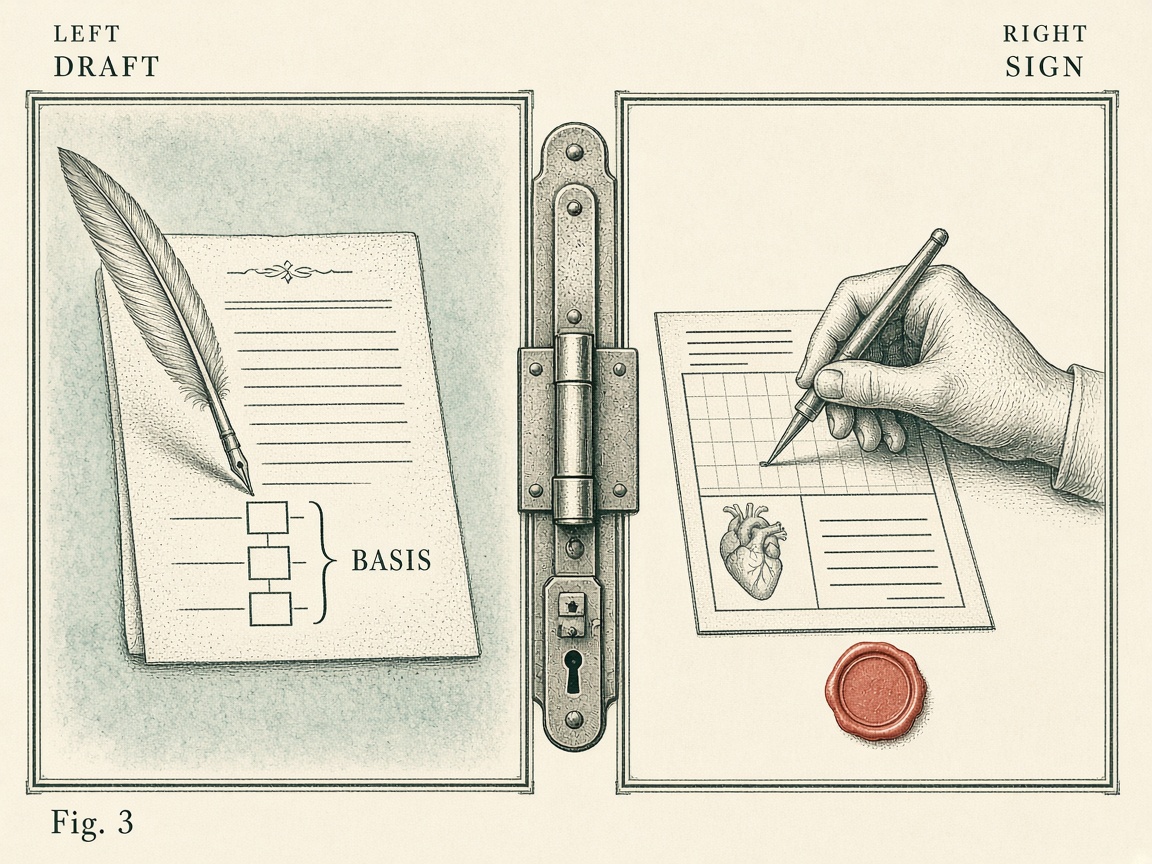
Figure 3. A draft cannot enter the chart until a clinician signs. The basis travels with the draft.
Ambient capture and structured extraction make a complete coded record cheap. The doctor talks to the patient. The system writes. The doctor remains the author.
Sign-off is a clinical act. It is measured in seconds, not hours of pajama time.
The council
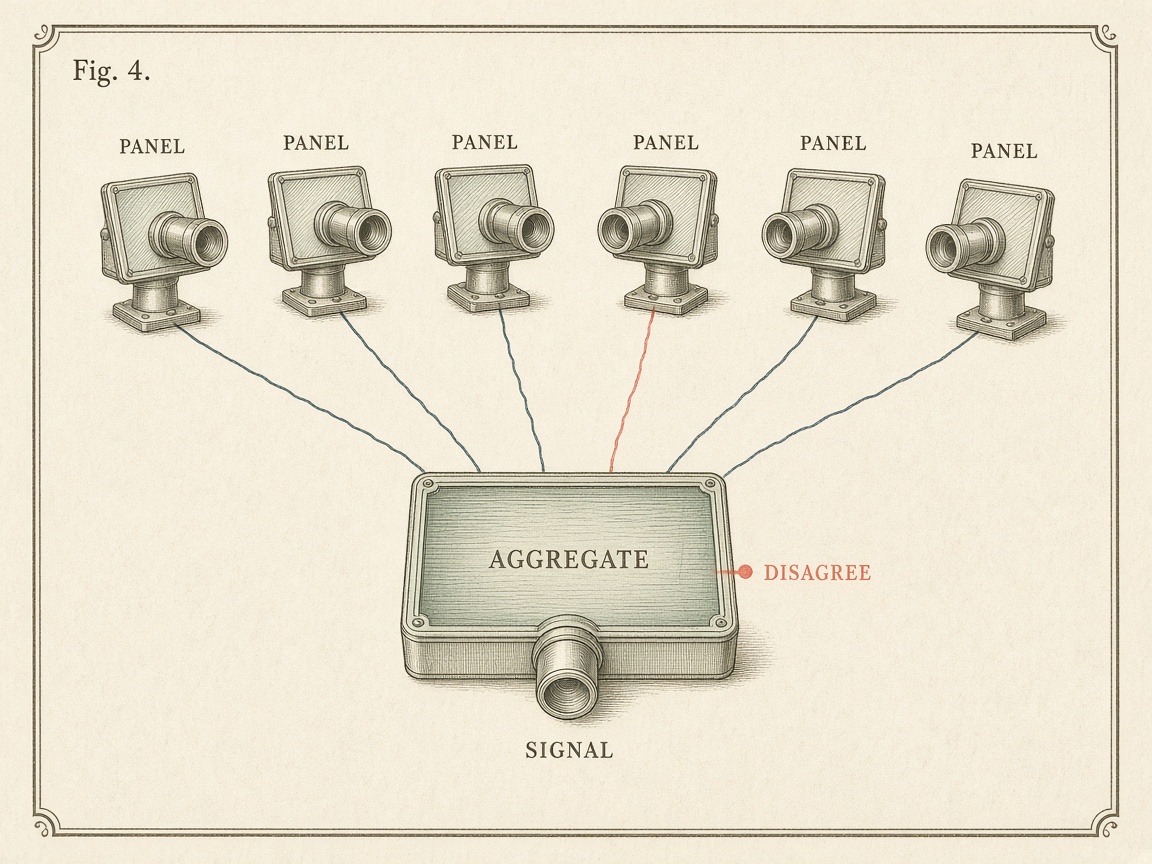
Figure 4. Independent panelists. One aggregator. Disagreement is a signal, not a silent average.
Several models assess. A structured aggregator reconciles. Disagreement is visible.
Outputs are always drafts with a basis. They are never autonomous decisions.
Drug–drug interaction, allergy, and dose checks are deterministic. They run when AI is down.
Patient companion
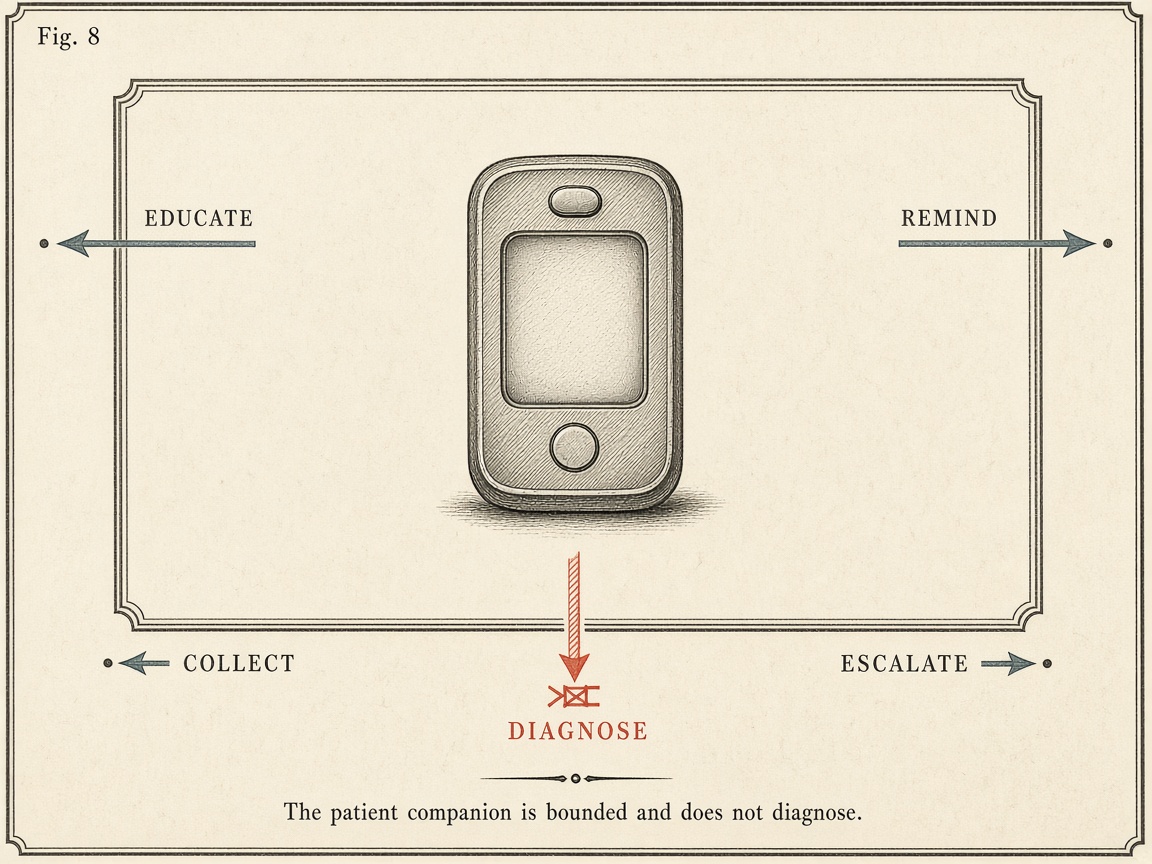
Figure 8. The companion educates, collects, reminds, and escalates. It does not diagnose.
The patient PWA holds appointments, queue place, medicines, intake, follow-up, home readings, and a bounded assistant.
The companion does not diagnose. It does not change treatment. It over-triages by design and hands red flags to humans.
Pattern sight
Detectors watch aggregate streams. Findings are owned. Digests go to the department head and to hospital management.
The system does not interrupt with alarms unless the signal is deterministic and urgent.
Emergency episode
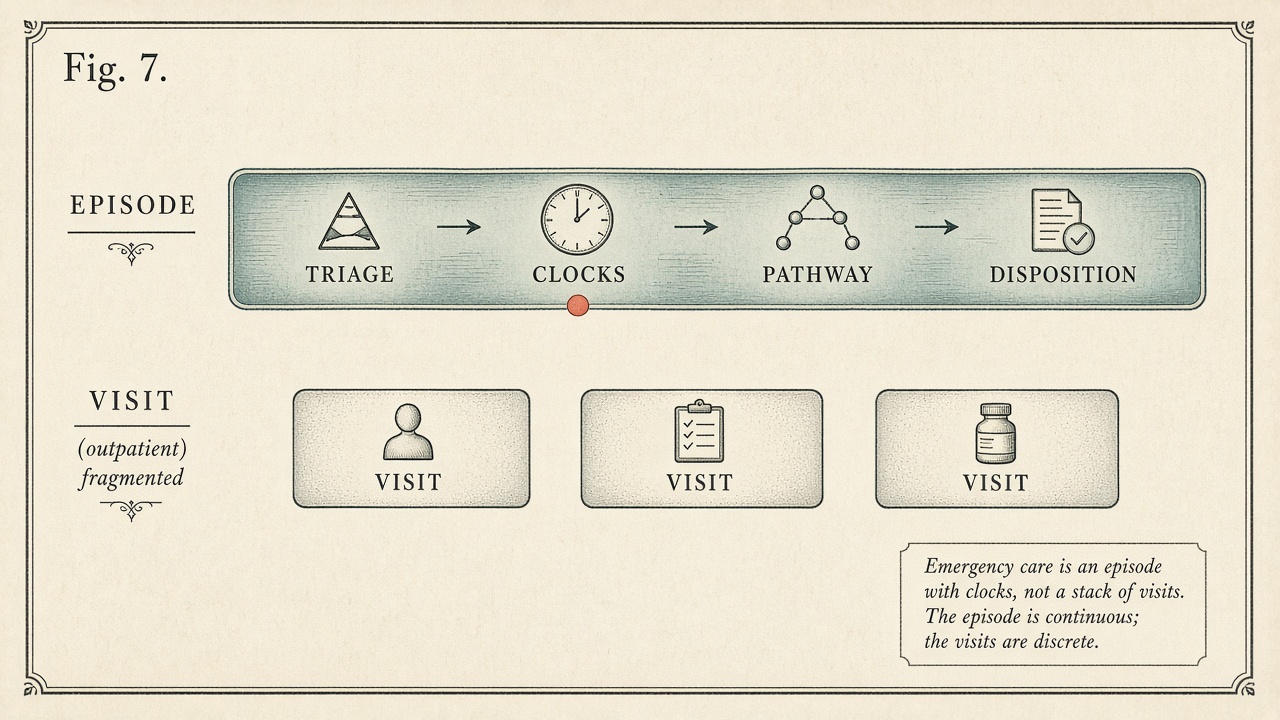
Figure 7. Emergency care is an episode with clocks, not a stack of visits.
Triage is a clinical act. The track board is live. Retriage and deterioration timers run. A pathway clock can govern sepsis. Disposition is a signed act with safety-netting.
This loop is episode-shaped. It is not visit-shaped.
Prevention
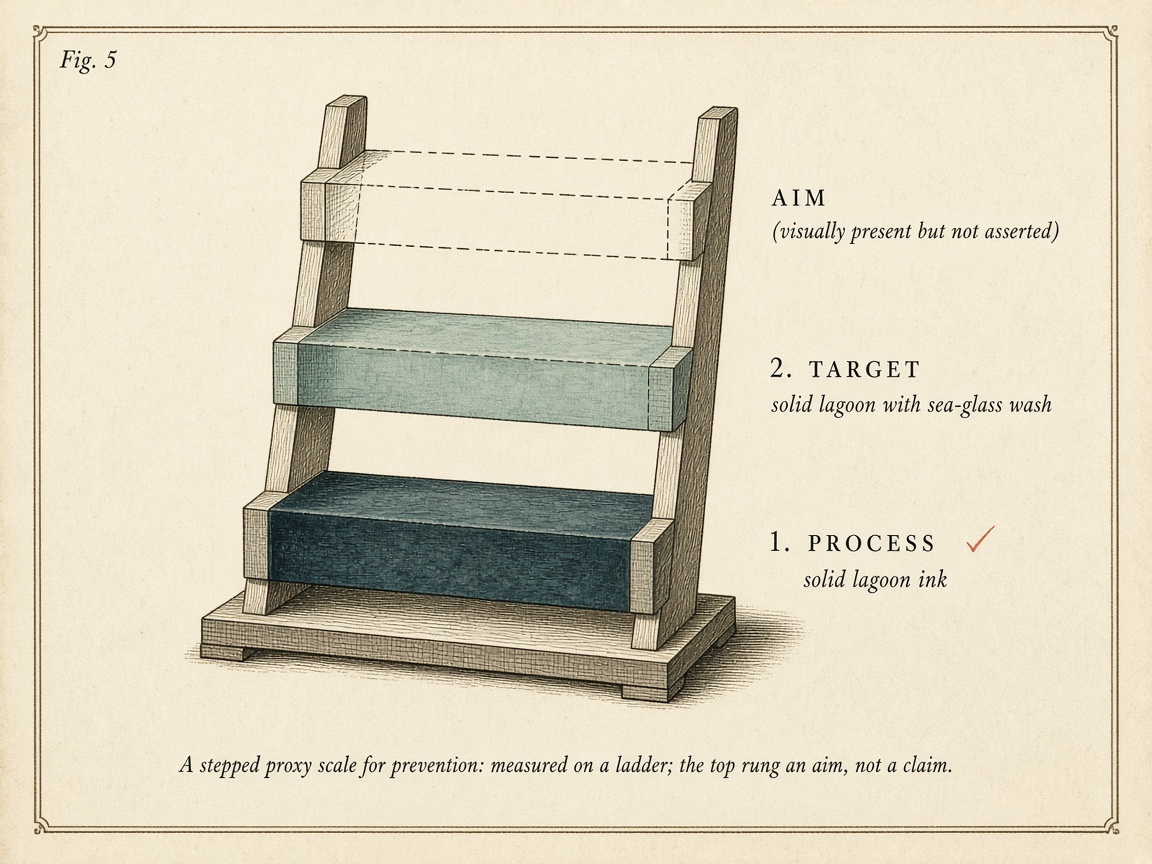
Figure 5. Prevention is measured on a ladder. Process. Treat-to-target. Lifespan as an aim that the product does not claim.
Care gaps are deterministic: due, overdue, satisfied, declined, or justified. Registries hold treat-to-target. Yellow chips appear at the visit. Recall campaigns close the loop.
The site does not claim that Beys extends life.
What Beys is not
- Not an autonomous diagnostician.
- Not a patient-facing diagnosis app.
- Not a certified medical device.
- Not an insurance claims clearinghouse.